
We like to decorate! The guarantee of a brand new floor plan, picking paint samples, and the delight of finding that slice that is perfect.
 However, besides the initial enthusiasm, designing your area may be a lengthy and daunting procedure. Between decisions created over long intervals and funding limitations, it can be simple feel somewhat lost and to shed steam. Inspiration may just do so much once you end up sitting while still saving up for the sofa.
That is the reason why we enlisted the assistance of two of their favorite artists to discuss their secrets for making the ideal area. Both have collaborated to make some of the very excellent (budget friendly! ) ) Interiors in the business and they are offering ten hints to us so that you are able to spruce your distance.
1. Invest in
Take time when providing your house; it is going to be well worth the wait and the cost. The furniture that is ideal is much more important than having plenty of furniture. It’s not perfect to have something simple to fill the room bring furniture that you like! Curate your accessories scour flea markets, accumulate coating in textures that are various books on your interests, and buy items you love.
2. Be organized
Clear out the mess. Give it if you do not love it –it is always great to have a fresh start. Fresh possibilities for layout may soon open up and provide reassurance to you.
3. Trust your gut
Your primary feeling is generally perfect! It may be overwhelming since there are so many suggestions to select from when it is time to make choices. However, you’ll discover that it’s often.
4. Bring the outdoors in
Bring the outdoors in by incorporating living greenery and plants! Plants add a room and life and warmth. Colour is brought about by them and provide a refreshing element. Contemplate blossoms a fiddle leaf succulents onto a coffee table, or fig tree to complete your space.
5. Make light a priority
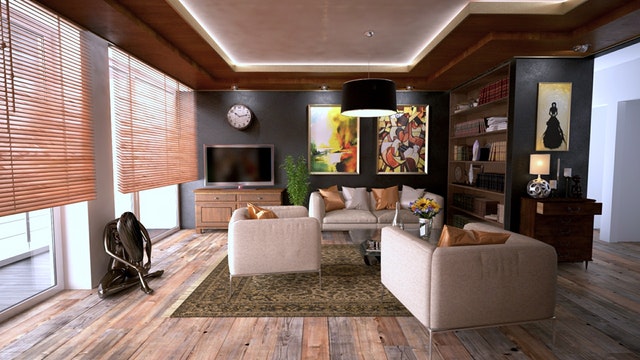 It is dramatic what light can perform! Have fun when choosing to light. In virtually every one lamps and the headboard will be the eye candies. We love to select furniture that’s nominal and clean with a design that is classic. We choose light to add effect and character. A fixture makes just the ideal mood and may stand alone as artwork.
6. Don’t over design
Pinterest is both a boon and a curse! Use it as a source to get what it is that you’re attracted to and to get ideas but do not attempt to place. You need your house to sense distinctive and curated, not just like it was bought by you.
7. Insert art
Artwork adds elegance to any area. Then purchase bits that move you hang them in eye level — the artwork is hung large. Art bits are that which talks to these and an excellent reflection of this owner of the home; it creates a house feel more romantic for guests and household.
8. Everybody wants a gallery wall
Have fun with your gallery! It is sometimes even a detail or a statement place. Images of family, places you’ve traveled, your photography, handwritten notes, dull family photographs, or even children’s art. Do not be reluctant to blow photos that are old if they’re obsolete and fuzzy –your background will be told by this and become an artistic statement.
9. Consistently edit
Normally much less is more. When you select the bits for the base of space and a palette, all you’ve got to do is add some details to complete off it. Accessorizing a bit can go a very long way!
10. Bring in an area of shock
We think there aren’t any hard and fast rules in regards to layout. Yes, flavor, but put in that element of shock and bend the rules. This is bliss, and the house with a favorite top down bottom up cellular shades, in which there ought to be plenty of fun, spontaneity –exactly the exact same can be felt by your layout components. Be brave, start a fad!
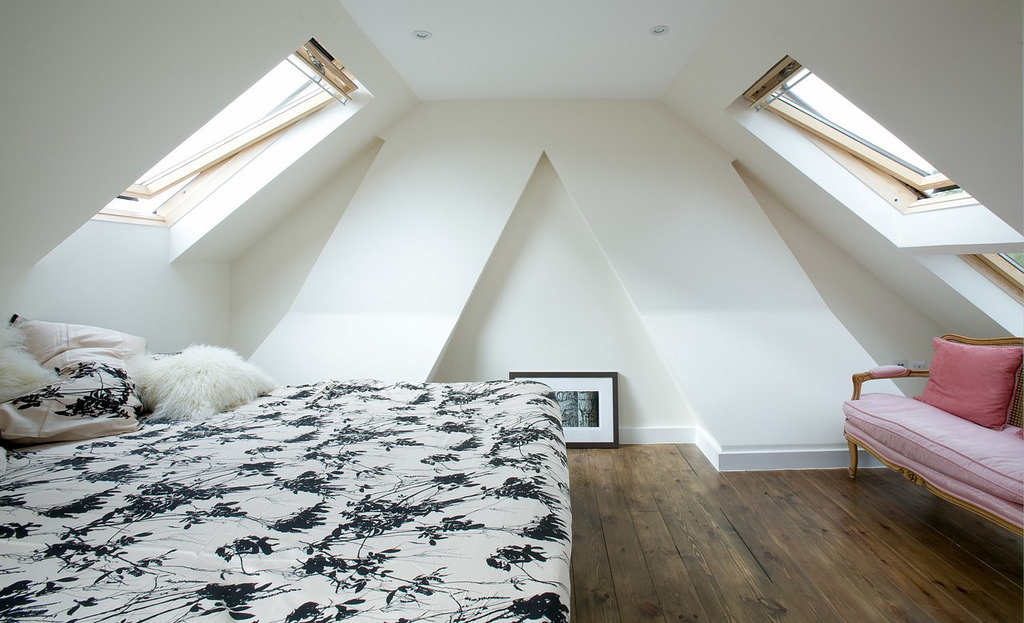
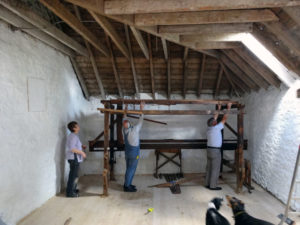 After that, a choice is made about the kind of conversion you’d like and that, clearly, relies on your own needs and price range. Speak with your loft conversion specialist regarding your wants and have them notify you about each the possibilities that are available to you. Throughout the preliminary complimentary consultation, they are going to take dimensions and, in the following meeting, give you a layout showing the job of the staircase as well as the dimensions and contour of the attic room.







 We do not know the particular motive, but when we consider internet games we never correlate women with it. It is not just like for all that women do not play don’t need to play games but the place is heavenly ruled by boys. This is why the majority of the games that you find on the internet are constructed keeping boys in your mind. Furthermore, this may be seriously frustrating for women to be aware that there’s not anything readily available for those online.



 Pets are considered as companions of humans. Most people have dogs as their pets. There are some who choose cats but some also believe that cats are selfish. That is the reason why researchers do not focus that much writing or studying the cat-human relationship.

 When you stumble across a powerful woman you will know it the minute she enters the space. She gives off a feeling of self-confidence that anybody could spot from a mile off, and she tackles any situation that she confronts head-on.
 I guess you have seen the situation occur in real life. Wherein you understand too well the man is not telling the actual score but he could nevertheless readily convince a individual particularly their
 What a term to be deemed as a lie! This will be stated. But guys, who are in lying, professional sufficient, do not even have the decency to honor the , expression that is 7-lettered that is 2-word. And I understand that the significance is horrible but there are those who ask forgiveness by doing things over and over again, so that they could hurt. That occurs more in an relationship in which the man is as well as the woman is, although I hate to mention this. This is a FACT although it hurts in genders.
 f there are crazy-sane people on earth, you would call them women! Women are sanely crazy doing stuff (sometimes out of this world) in the name of beauty. No pain, no gain – perhaps it’s the motto that most women have these days.
 So how can a shopper buy just like an expert? Here are some tips.

 Girls nowadays have developed. We’re puissant certain and independent. We’ve got our own vocations that are separate and our lives too. We dote the things, but we do optate to ken about consequential items – real estate costs such as the stock markets, health advice and so forth.